


Ethiopia - Tadesse Desta
Ethiopia - Tadesse Desta
Floral sparkle, fruity lift, countryside calm. Ethiopia’s legendary beans meet our flock’s gentle fussing, crafting a cup so expressive even the sheep pause to admire it.
What does it taste like? • Plum • almond • dark chocolate
Couldn't load pickup availability
Ethiopia’s birthplace of coffee meets our countryside care — delicate, expressive, unforgettable
From our flock to your mug, it's coffee with a story in every sip
Medium roast
Medium roast
All our beans are medium roasted to preserve their natural character and avoid the bitterness of over-roasting


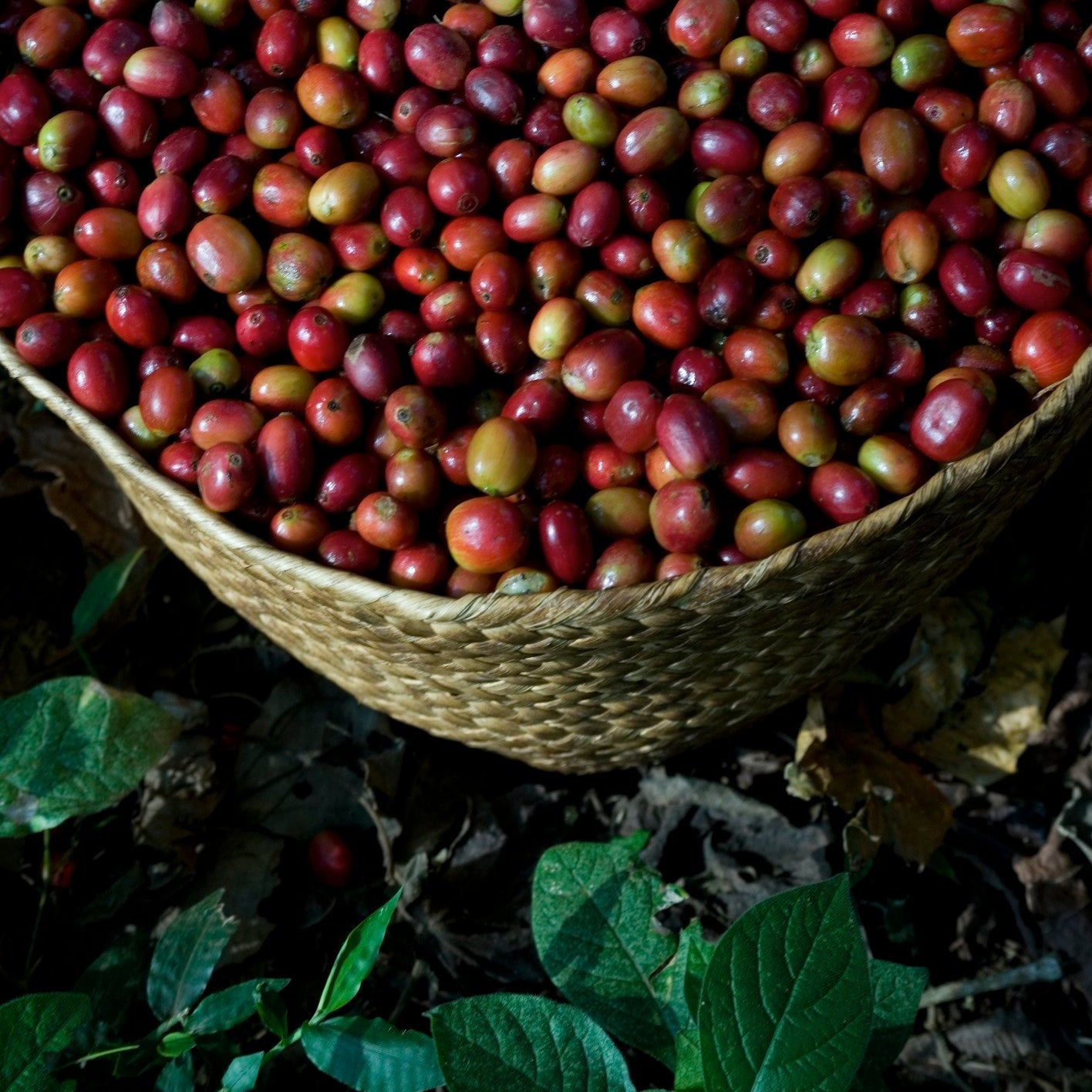
The coffee
- Cup score: 83
- Varietal: Heirloom
- Process: Natural
- Altitude (masl): 2050
Meet the farmer
Jimma Farmers Multi-purpose Agricultural Cooperative Union (JFMACU) is a well-established cooperative based in Ethiopia's Jimma Zone, part of the Oromia Regional State. It was founded in 2004, starting with 14 primary cooperatives and 7,818 members. Over the years, it has expanded significantly, now consisting of 212 cooperatives and 141,146 farmer members, including 28 coffee-producing cooperatives.

Farm / Region
Tadesse Desta, Gamacho in the Jimma zone.
The union operates in prominent coffee-growing areas such as Mana, Kersa, Shebe, Seka Chekorsa, and Mencho, covering 11,073 hectares of production area as of 2023.
The process
JFMACU is known for producing high-quality washed and natural coffees that are cultivated at elevations ranging from 1,800 to 2,300 meters above sea level. The region's favorable tropical climate and abundant rainfall contribute to the distinctiveness of its coffee.
JFMACU holds certifications such as Organic, Rainforest Alliance, Fairtrade, and Café Practices, reflecting its dedication to sustainable and ethical production. The union exports coffee to international markets, including Europe, the USA, Japan, South Korea, China, Australia, Taiwan, and the Middle East.
In addition to coffee production, the union actively supports community development projects. These include constructing schools and health centers, providing clean water, and supporting educational initiatives. Such efforts aim to improve the living standards of farmers and their communities.
